
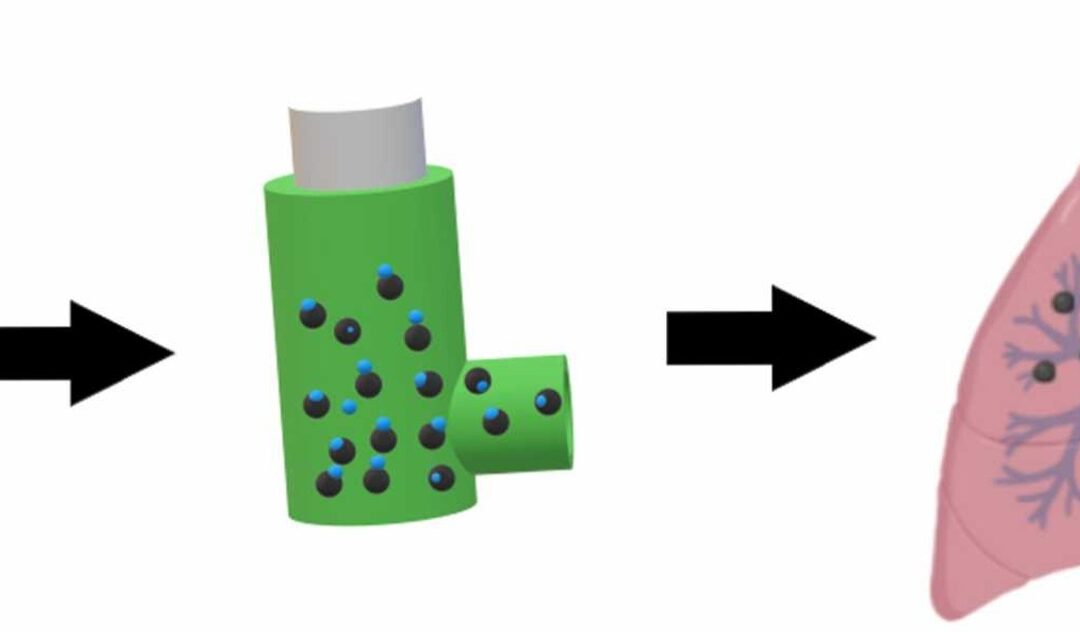
Dry powder inhalers (DPIs) have gained increasing clinical acceptance in the local treatment of lung diseases due to their ability to meet the evolving needs of patients while avoiding environmental concerns. However, some formulations for DPIs still encounter performance limitations in terms of aerodynamic properties and achievement of therapeutic doses. Innovative aerogel powder formulations for DPIs processed using combined supercritical CO2 (scCO2)-based technologies can overcome these limitations, especially in the case of poorly water-soluble drugs. The loading of hydrophobic drugs into aerogels can be optimized through a thorough understanding of the physicochemical properties of the formulation and the scCO2 processing conditions.
This study developed drug-loaded alginate aerogel particles with Beclomethasone dipropionate (BDP) using gelation-emulsification and scCO2 technologies. Factors affecting scCO2 impregnation efficiency were explored, and BDP adsorption kinetics were modeled. The resulting aerogels showed high surface area (>200 m2/g) and porosity (~90%). In vitro tests confirmed excellent aerodynamic properties, and ex vivo permeability tests on porcine lung tissues demonstrated BDP penetration into bronchial tissue.
The work entitled “Green CO2 technology for the preparation of aerogel dry powder loaded with beclomethasone dipropionate” has been published in the Journal of CO2 Utilization (IF: 7.7, February 2024). This work is the result of a collaboration between the University of Parma and the AerogelsLab.
Recent Comments